The debate about the future development of Molineux must include Wolves supporters
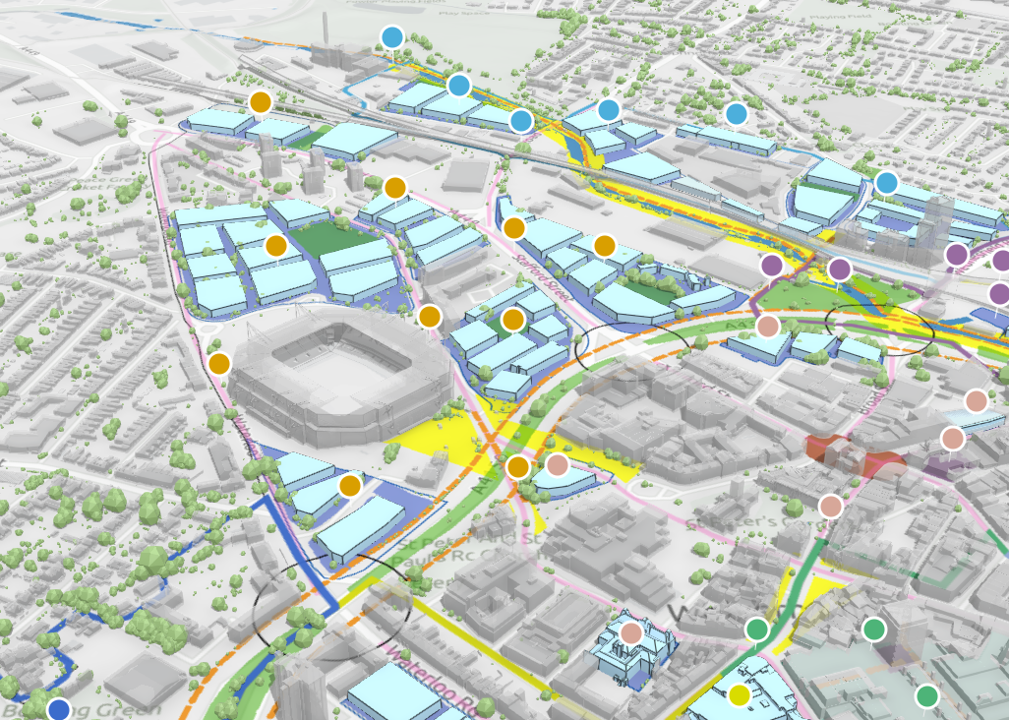
Wolves 1877 Trust has responded to Wolverhampton City Council’s consultation on the Our Future City Centre Plan, highlighting the importance of Molineux to the city and calling for supporters to be properly involved in discussions about its future.
See our full consultation response
The future of Molineux matters to every Wolves supporter.
It is not simply a football stadium. Molineux is part of the identity, heritage and history of Wolverhampton, and its importance extends well beyond matchdays.
We want to see the Club and Council working towards a plan for the redevelopment of Molineux, no more ‘concepts’ - let’s see planning applications and commitments. Actions not words.
This is why Wolves 1877 Trust has responded to Wolverhampton City Council’s Our Future City Centre Plan consultation, with much of our response focusing on the proposals and opportunities surrounding Molineux.
We are supportive of the overall ambition to regenerate and improve Wolverhampton city centre. A successful and vibrant city centre can benefit Wolverhampton Wanderers, just as the football club can play an important role in attracting visitors, investment and attention to the city.
Molineux is a unique asset in that respect. It remains one of the few major football stadiums located within a city centre and attracts significant numbers of visitors to Wolverhampton. The Trust believes the stadium should therefore be given greater recognition within the city's plans as a visitor destination, cultural landmark and heritage asset.
Trust Board Member, Andrew Round commented:
“Molineux is much more than a football stadium. It is part of the identity and heritage of Wolverhampton and has a unique relationship with the city and its communities.
“We welcome the ambition within the City Council’s plans, but the future of Molineux needs to be considered properly within that wider vision.
“We also need to see meaningful dialogue about what the football club itself wants to do with the stadium.
“Supporters should not be asked to wait until plans are fully developed before being given the opportunity to comment. If there are ambitions to redevelop Molineux, we want to see supporters involved at the beginning of that process, alongside the club, the City Council and other key stakeholders.
“We want to see a modern, sustainable Molineux that can serve Wolves for generations to come, but we also want to ensure that the voice of supporters is part of shaping that future.”
Molineux needs a clear future
While the Trust welcomes the wider ambitions of the City Centre Plan, we are concerned that it does not set out a clear vision for the future development and renewal of Molineux itself.
The current stadium includes stands that date back decades and were designed for a very different era of football. The Steve Bull Stand, for example, was built in 1979 and is now approaching its 50th anniversary. It was designed around the standards, facilities and commercial opportunities of the 1970s rather than the requirements of a modern football stadium.
The Trust has already set out our position through our Manifesto for Change, published in 2025.
In that document we called for a clear strategy for the stadium and training facilities, exploration of the Molineux Quarter as a potential multi-purpose venue capable of creating sustainable revenue streams, and, critically, the creation of a working group involving fan representatives, the football club and local authorities to discuss the future development of Molineux.
We remain of the view that this is the right approach.
A clear future for Molineux is not an option, it’s incumbent upon the clubs custodians to tell us about their vision, for our stadium.
Supporters must be part of the conversation
The Trust is particularly concerned that there appears to have been little meaningful progress in dialogue between Wolverhampton Wanderers and the City Council regarding the future development of Molineux since our Manifesto for Change was published.
We believe that needs to change.
If significant changes to Molineux and the surrounding area are being considered, supporters must not be presented with a finished plan after the key decisions have already been made.
If there is no plan, then the Trust believes we will still need to engage in dialogue with the local authority about the future development of areas surrounding the stadium, in preparation for owners willing to invest.
Supporter engagement needs to happen early, openly and meaningfully.
That means understanding what the club is considering, discussing the options and their implications, and giving supporters an opportunity to contribute before plans become fixed.
The Trust is an independent, democratic, not-for-profit Community Benefit Society and is formally recognised by the club as a representative supporter body through its Fan Engagement Plan. Our role is to provide supporters with a platform and represent a broad range of views.
We therefore believe the Trust has an important role to play in any future discussions about Molineux.
Matchday realities must not be overlooked
The City Centre Plan also needs to recognise that Molineux creates a unique challenge for the city.
Around 30,000 people can be brought into the city centre for a football match, arriving and leaving within a relatively short period. That has significant implications for transport, pedestrian movement, parking and accessibility.
For disabled supporters in particular, changes to the streets and parking arrangements around the stadium could have a significant impact.
The Trust has therefore called for the development of an accessibility strategy for Molineux which goes beyond the stadium itself and considers the wider environment, including streetscape, transport and the availability and location of parking.
This is particularly important when considering proposals that could reduce existing parking or alter routes used by supporters.
For example, the Trust has raised concerns about proposals around Molineux Street, North Street, Waterloo Road and the Falkland Street site, including the need to retain appropriate facilities for disabled supporters and visiting supporters arriving by coach.
These are not simply planning considerations. They directly affect the matchday experience of Wolves supporters.
Renewal must be realistic and sustainable
The Trust also recognises that developing Molineux will require significant investment and that the financial viability of any proposals must be properly understood.
The potential redevelopment of land around the stadium could contribute to that process, but we do not believe it should be assumed that regeneration alone will provide the level of funding required for stadium renewal.
A realistic strategy is likely to require greater matchday revenues, including corporate and premium hospitality, conferencing, concerts and other events.
That is another reason why the club needs to develop a proper long-term strategy for Molineux rather than considering individual sites or projects in isolation.
A shared opportunity for Wolverhampton
The Trust believes there is an opportunity for the football club, Wolverhampton City Council, the University and supporters to work together to develop a genuinely ambitious future for the area around Molineux.
That should include better connections between the city centre and the stadium, improved accessibility, appropriate transport and parking provision, and a modern stadium capable of supporting Wolves for generations to come.
But it must also protect what makes Molineux special.
The stadium's physical form may change over time, but its importance to generations of Wulfrunians will not. Molineux is part of the city's story and its football heritage.
The Trust wants to see Molineux renewed, but we also want to see that future developed with supporters, not simply presented to them.
We are therefore asking Wolverhampton Wanderers to engage with the Trust and the wider supporter base about its plans for Molineux, alongside calling on the City Council to facilitate meaningful dialogue between the club, supporters and other key stakeholders. The Trust will hold a planned meeting with the club following the close of the transfer window, this will be on the agenda.
The future of Molineux is too important to be developed behind closed doors.
Wolves supporters should have a voice in shaping the future of their stadium, their club and an important part of the city they call home.